
Nestled in the heart of the Isle of Wight, the Shanklin Chine is a natural gorge that beautifully encapsulates the island’s rich history and mesmerizing beauty. This unique geological formation, adorned with lush vegetation and cascading waterfalls, has been a source of fascination for artists, writers, and tourists for centuries.
The Shanklin Chine boasts a history that dates back to the last Ice Age, approximately 10,000 years ago, when it was formed through water cutting through soft sandstone. It was first recorded in a royal charter in 1290, making it the oldest tourist spot on the Isle of Wight.
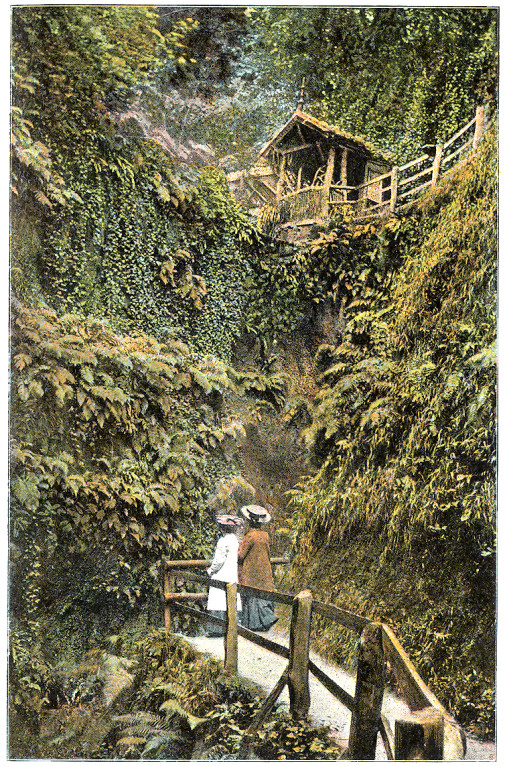
One of the most frequently asked questions about Shanklin Chine is: “What can I do there?” There’s plenty to see and do at Shanklin Chine. You can walk along the winding paths, marvel at the waterfalls, explore the lush woodland, and visit the heritage centre to learn about the Chine’s intriguing history. After dark during the summer months, the Chine is lit up for a magical experience known as ‘Chine Lumière’.
The Chine also played a significant role in World War II. It was used as a training area for the PLUTO (Pipeline Under The Ocean) project, which supplied fuel to the Allied forces after the D-Day landings. The Heritage Centre showcases this intriguing piece of history, along with other exhibits on local wildlife and the Chine’s geological formation.
Visitors to Shanklin Chine often find themselves captivated by its enchanting atmosphere. It’s a place where history and natural beauty intertwine, offering a tranquil retreat from the hustle and bustle of modern life. Whether you’re a history buff, a nature lover, or simply seeking a unique sightseeing experience, Shanklin Chine is a destination that truly has something for everyone.
So, if you’re planning a trip to the Isle of Wight, be sure to include Shanklin Chine in your itinerary. This historic gorge is not just a place to visit, but an experience to remember, a testament to the island’s fascinating past and its enduring natural allure.
CC BY-SA 3.0, https://en.wikipedia.org/w/index.php?curid=22220199
By From Project Gutenberg’s Pictures in Colour of the Isle of Wight, by Various, Printed London Jarrold and Sons c. 1910.From http://www.gutenberg.org/etext/17296https://archive.org/details/picturesincolour17296gut, Public Domain, https://commons.wikimedia.org/w/index.php?curid=771624
 aardvarktraveller.com